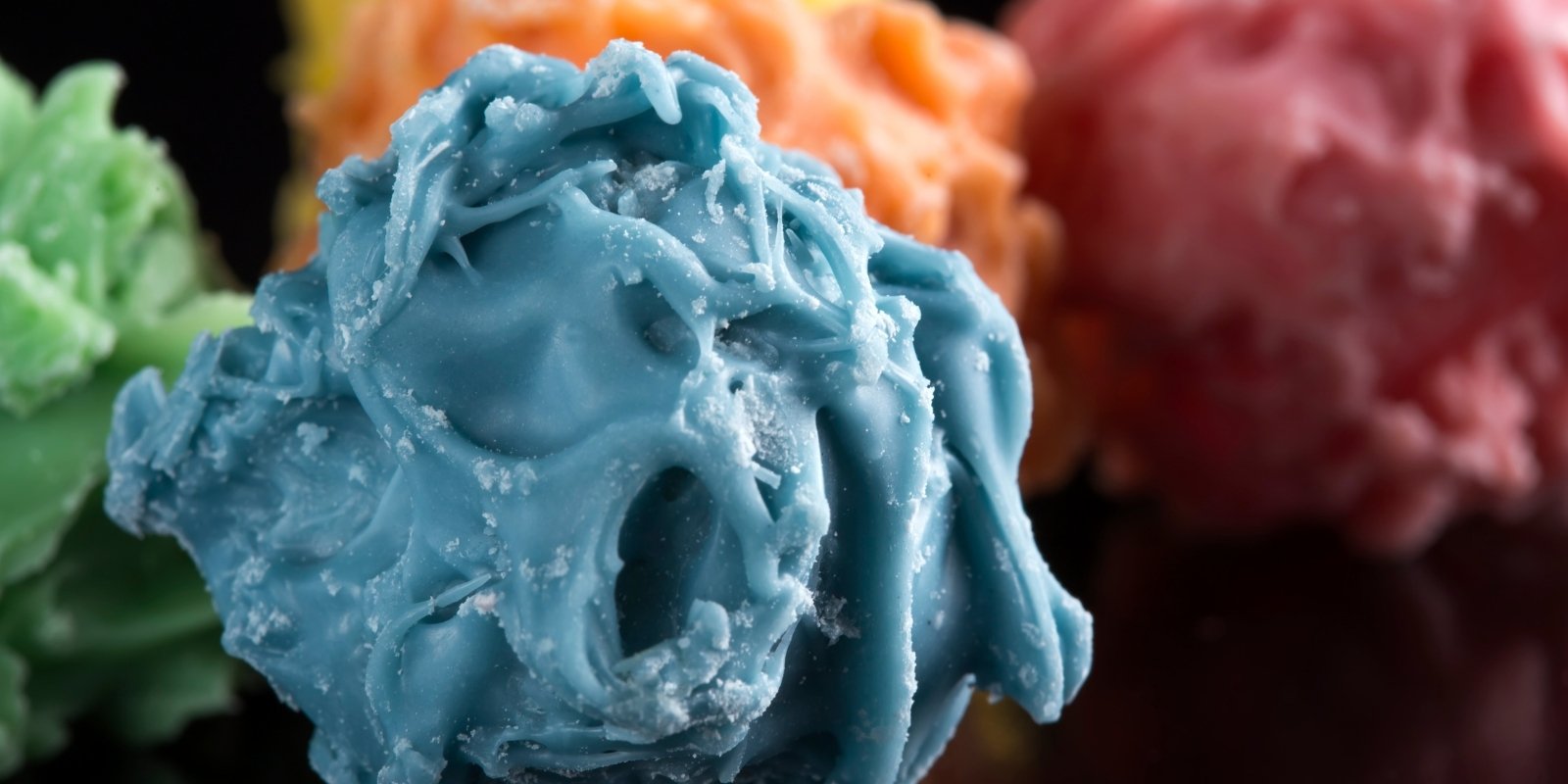
Creamy fragrances have become a favourite category among perfume lovers, thanks to their smooth textures and comforting character. The word “creamy” does not describe a single ingredient. Instead, it refers to the way certain notes interact to create a fragrance that feels smooth, rounded and almost tactile.
In perfumery, creaminess often comes from ingredients that suggest milk, soft woods, silky petals, sweet resins or rich textures. Perfumers use these notes to soften sharper ingredients, add depth to a composition or create a fragrance that feels smooth from the first spray.
What Does Creamy Mean in Fragrance?
When people describe a perfume as creamy, they are usually referring to its texture rather than a literal smell. A creamy fragrance often feels smooth and full, with fewer sharp edges between the different notes.
Certain ingredients naturally create this impression because of their scent profile. They may have buttery, milky, powdery, nutty or velvety qualities that make the overall composition feel rounded.
Creaminess can come from several fragrance families, including florals, woods, gourmands and resins. A creamy floral may focus on flowers with a naturally rich scent, while a creamy gourmand may use edible-inspired notes such as vanilla or coconut.
Popular Creamy Notes in Perfumery
Vanilla
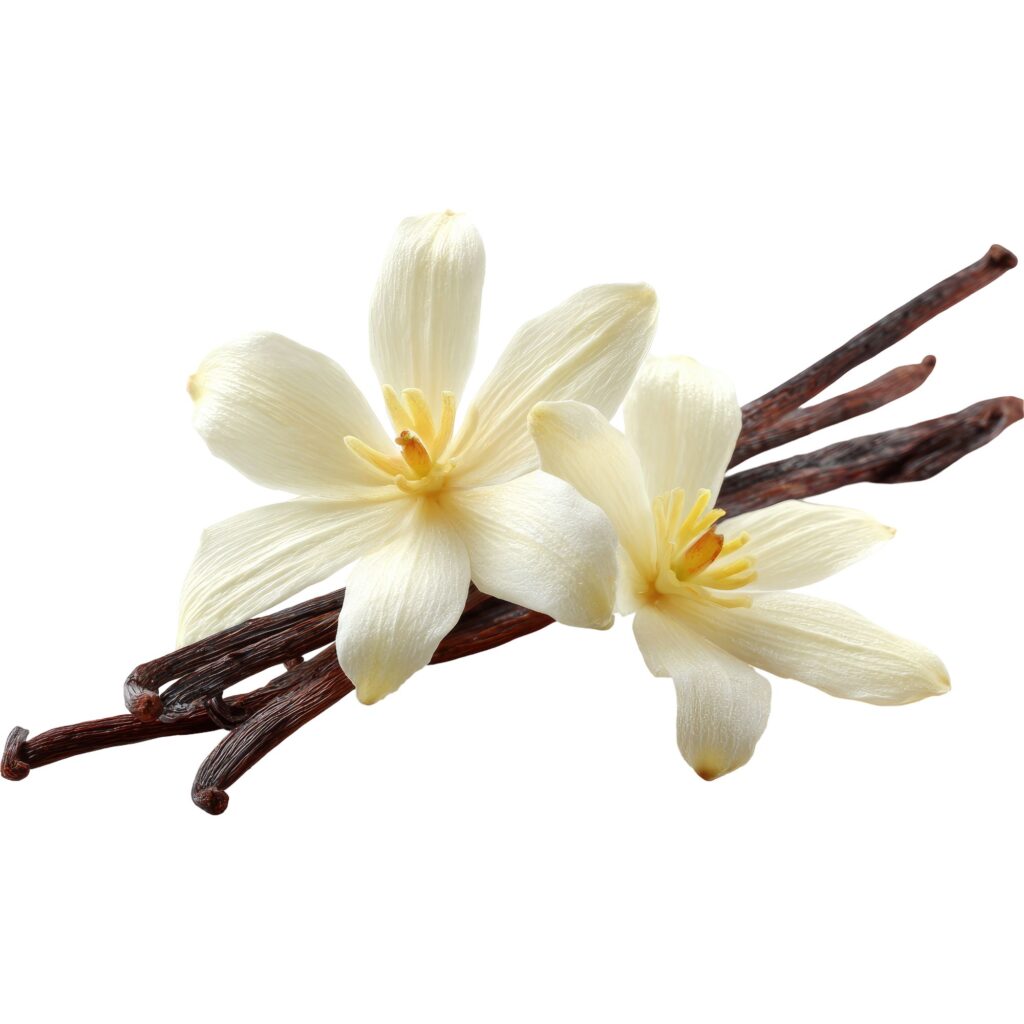
Vanilla remains one of the most recognisable creamy notes in fragrance. While many people associate vanilla with sweetness, perfumers use it in different ways.
Vanilla can add a smooth, custard-like quality to a fragrance, but it can also create a soft background that supports woods, spices and florals. Natural vanilla extracts contain complex aromatic molecules that give the note more depth than simple sugar-like sweetness.
Vanilla often appears alongside sandalwood, amber, musk and spices because it helps connect contrasting ingredients.
Sandalwood
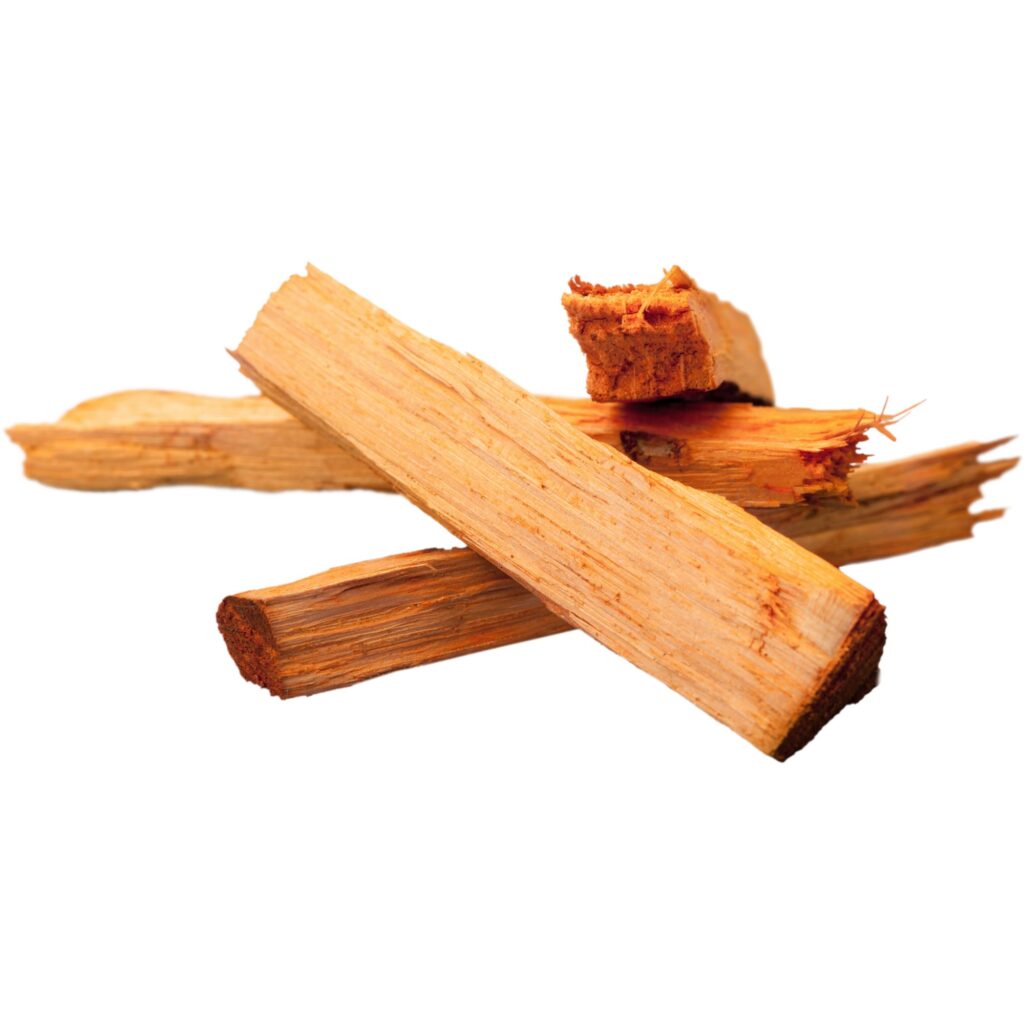
Sandalwood is one of the classic creamy woods in perfumery. It has a naturally smooth texture with milky, slightly sweet and woody qualities.
The creamy character comes from aromatic compounds called santalols, which give sandalwood its recognisable scent profile. Perfumers often use it in the base of a fragrance to create a soft woody foundation.
Sandalwood pairs especially well with vanilla, iris, musk and floral notes.
Coconut

Coconut brings an immediate creamy association because of its connection to coconut milk and tropical ingredients. In fragrance, coconut notes usually combine creamy, sweet and slightly nutty facets.
Modern coconut accords often avoid smelling like sunscreen by pairing the note with woods, florals or fresh elements. This creates a more polished interpretation that focuses on texture rather than a simple beach association.
Iris
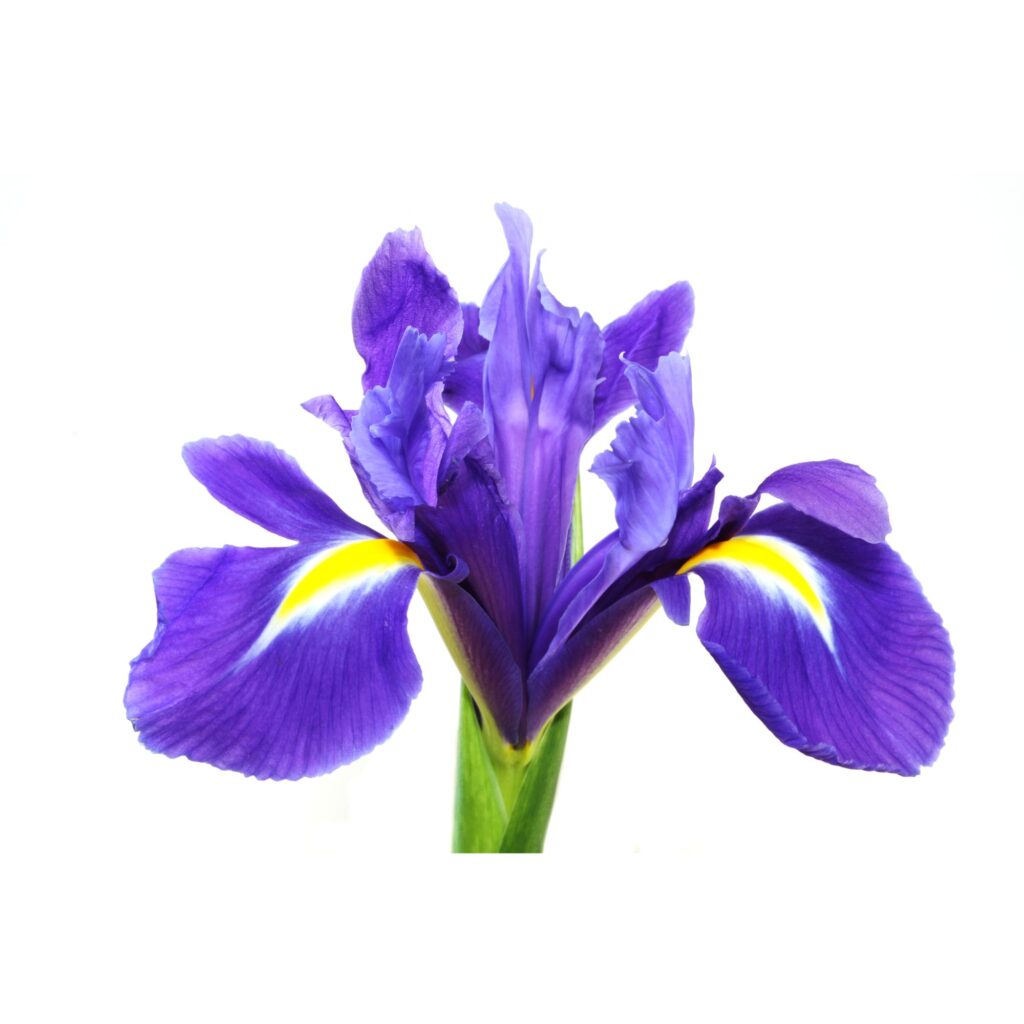
Iris is a fascinating creamy note because its character comes from a combination of powdery, earthy and buttery qualities. The iris rhizome contains irones, aromatic compounds responsible for the note’s distinctive scent.
In perfumery, iris can create a makeup-like softness with a smooth, almost suede-like texture. It often appears in elegant compositions where it adds refinement and depth.
Almond

Almond brings a creamy, nutty quality to fragrances. It can smell slightly sweet, powdery and marzipan-like, depending on how it is used.
Perfumers often combine almond with vanilla, tonka bean and florals to create gourmand fragrances with a smooth texture.
Tonka Bean
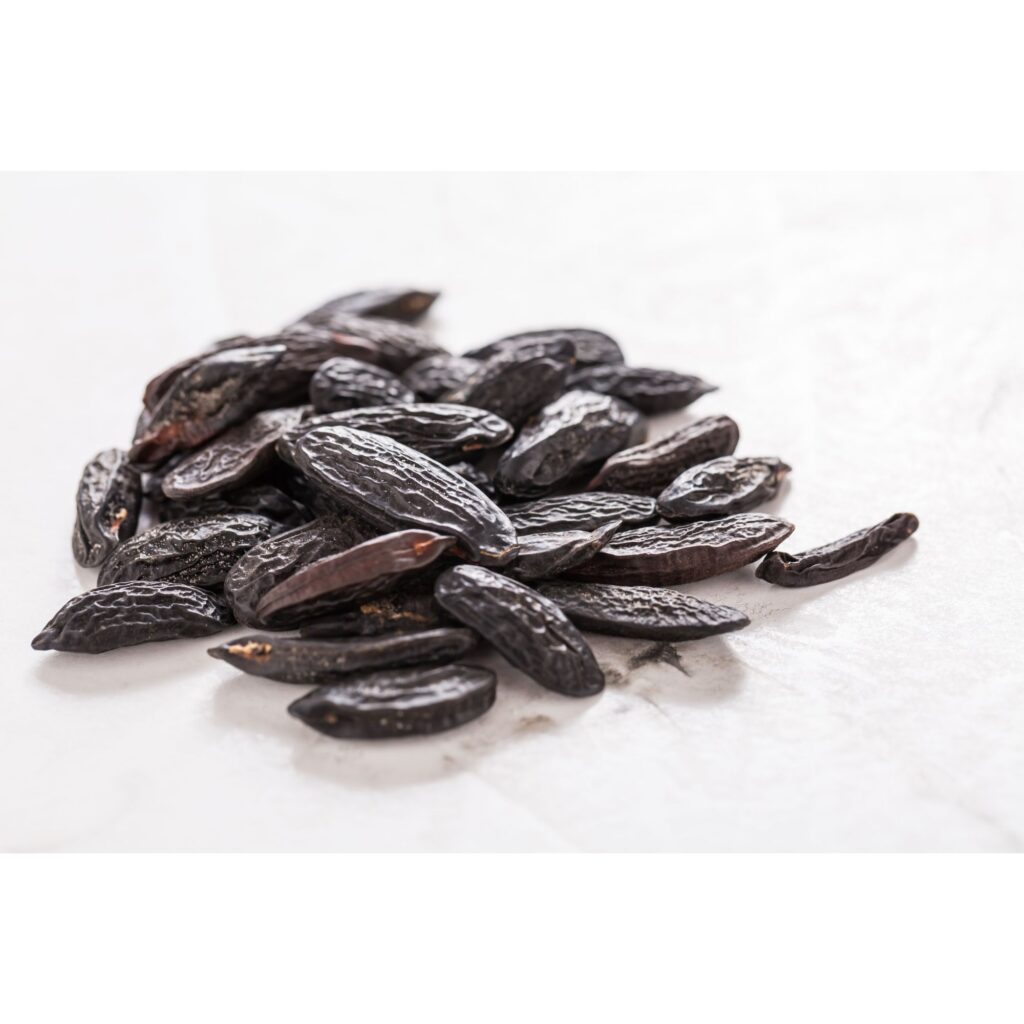
Tonka bean is another popular source of creaminess. It contains coumarin, an aromatic compound that gives it sweet, warm and slightly hay-like qualities.
In fragrance compositions, tonka bean can create a creamy effect similar to vanilla while adding more complexity. It often appears in amber, gourmand and woody fragrances.
Milk and Lactonic Notes
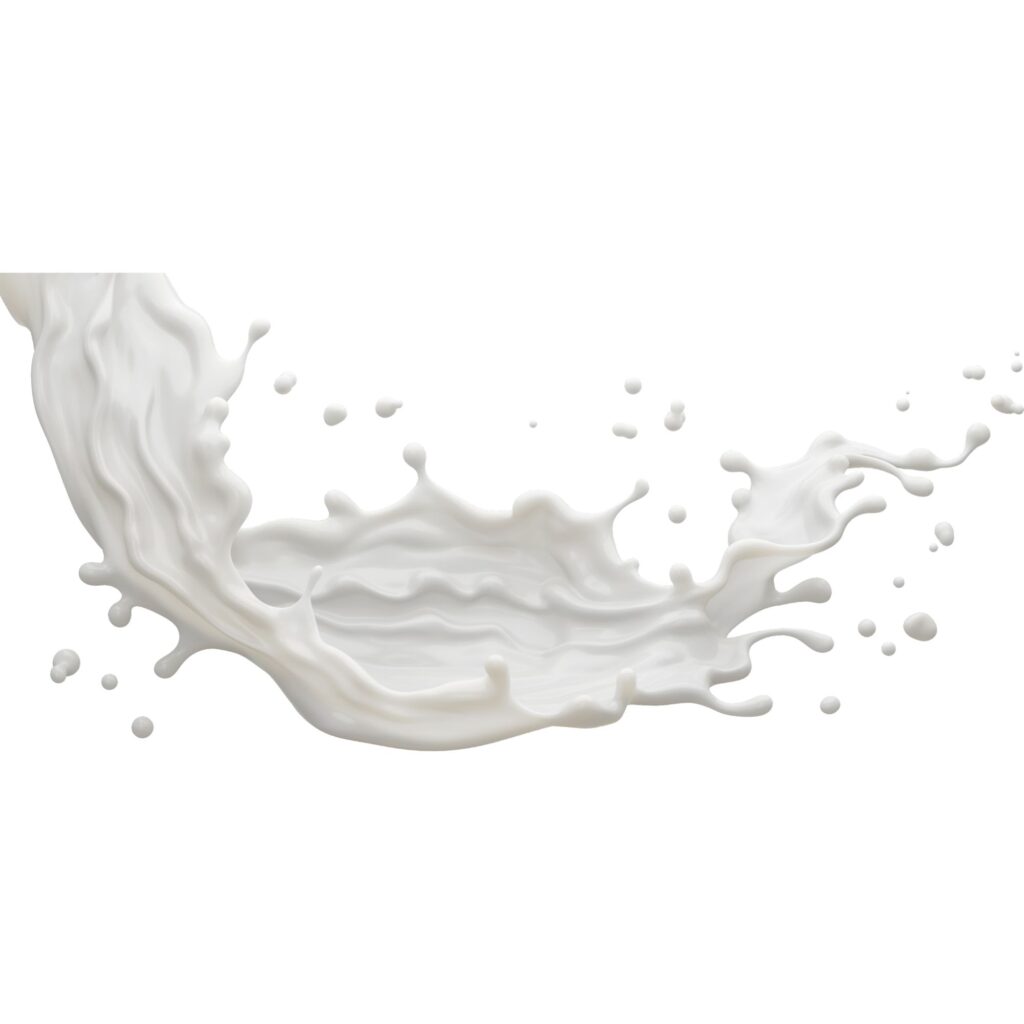
Lactonic notes are among the most direct ways to create a creamy effect. These accords recreate the smell of milk, cream or buttery textures through a combination of aroma molecules.
Milk notes can make a fragrance feel smooth and comforting, especially when paired with vanilla, musk or woods. They have become increasingly popular in niche perfumery as perfumers explore edible-inspired scents with more sophistication.
How Perfumers Create a Creamy Effect
A creamy fragrance usually comes from the relationship between several notes rather than one ingredient alone. Perfumers build this texture by combining materials that share smooth or rounded qualities.
Some common combinations include:
- Vanilla and sandalwood: Creates a smooth, sweet woody effect with a soft texture.
- Coconut and white florals: Adds a creamy tropical quality with floral brightness.
- Iris and musk: Creates a powdery, skin-like softness.
- Almond and tonka bean: Produces a nutty gourmand character with depth.
- Milk notes and vanilla: Creates a dessert-inspired creaminess.
The concentration of certain ingredients also affects the perception of creaminess. A higher amount of rich base notes can make a fragrance feel fuller, while lighter amounts can create a subtle smoothness.
Creamy accords have become an important part of contemporary fragrance trends. Perfumers continue to explore them through new combinations, from pistachio and milk accords to sandalwood and floral blends.
The appeal comes from the texture these notes create. A creamy fragrance feels carefully shaped, allowing individual ingredients to blend together while still maintaining their own character.
Visit V Perfumes, your go-to fragrance shop in the UAE. Get your hands on all your favourite fragrances and many more. Shop online or in-store for the best prices in the UAE and GCC region.